
Roof waterproofing and heat insulation in Pakistan: costs

A 10 marla house in Lahore with a flat concrete roof can feel far hotter upstairs in June and show damp patches by the end of the monsoon. Owners often respond by painting the ceiling, then painting it again. The real fix is on top of the slab, and November, when the rain has stopped and the sun is mild, is a sensible time to do it.
This guide covers waterproofing and heat insulation for flat roofs in Pakistani homes: what the layers do, what the common methods cost as rough ranges, and how to avoid paying twice.
Waterproofing and insulation are two different jobs
People use the words as if they mean the same thing. They do not.
Waterproofing stops water from getting into the slab. Concrete is porous, and over time hairline cracks open where the slab expands and contracts with heat. Water travels through, reaches the steel, and the steel rusts and swells. That is how a small damp patch becomes a spalling ceiling.
Heat insulation slows the sun's heat from entering the room below. A bare slab absorbs heat all day and releases it all night, which is why top-floor bedrooms stay warm long after sunset.
You can need one, the other, or both. A top floor in Multan or Sukkur may care most about heat. A house in Murree, Abbottabad or other high-rainfall areas will care most about water. Lahore, Karachi and Islamabad usually need both, in different measures.
The traditional layers you will hear about
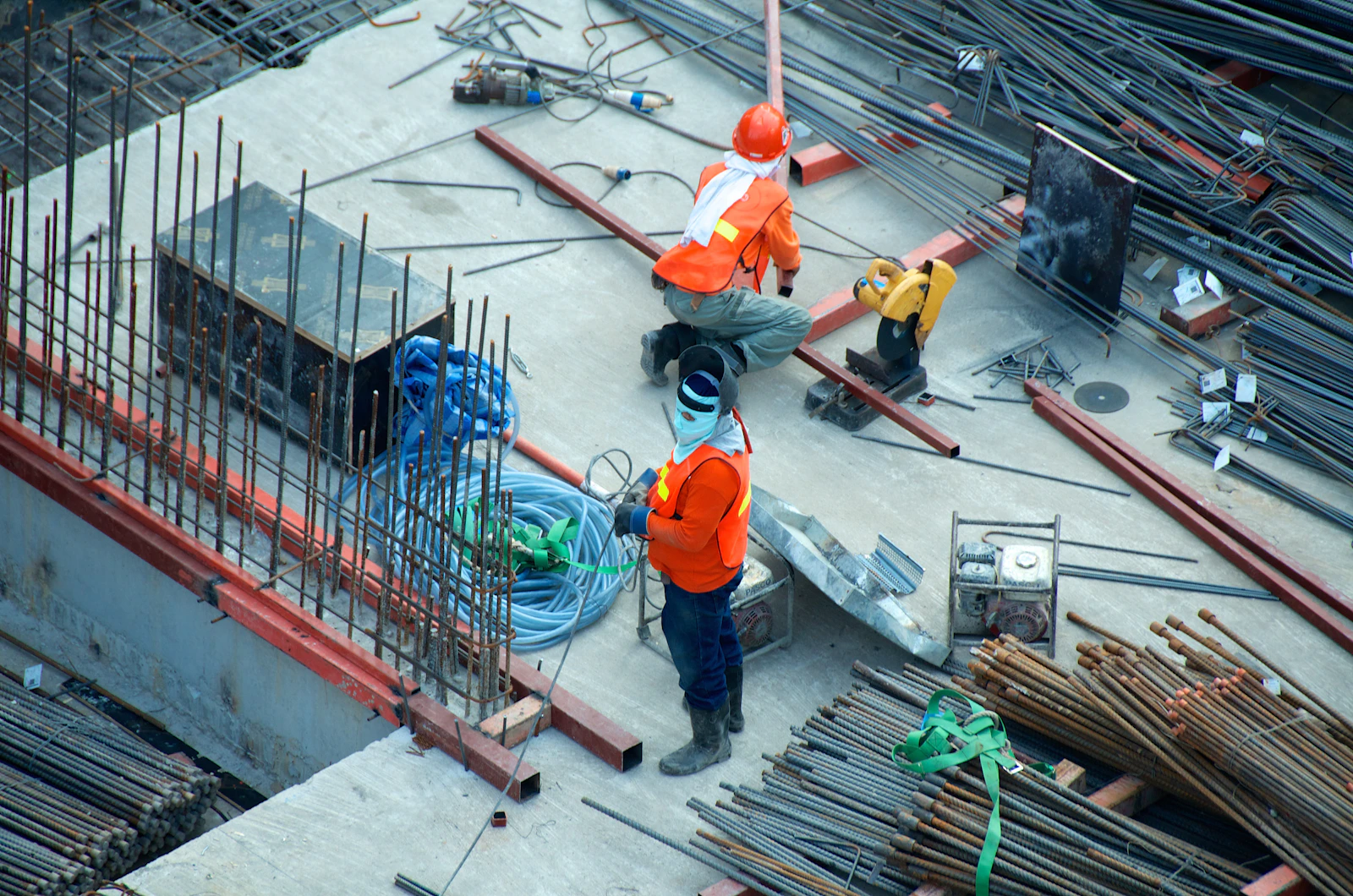
Roof contractors in Pakistan often describe the old system, and it still works when done carefully.
- Mud phuska. A layer of mud mixed with straw spread across the roof. It insulates well and is cheap, but it holds water and can become heavy and a source of leaks if the surface above it cracks.
- Brick tile (tuff tile or terrazzo) over a screed. A cement-sand screed with a slope to the drain, then tiles laid on top. It protects the layer below from sun and foot traffic.
- Bitumen sheets or a bitumen coating. A common waterproofing layer. Quality varies widely by thickness and by how well the joints and edges are sealed.
Many roofs I have inspected have a mix of these, laid by different people over different years, and the leak is nearly always at an edge, a pipe, or a joint rather than in the middle of the slab.
Modern options and rough cost ranges
Material and labour rates vary by city and keep changing, so treat every figure below as a rough planning range for November 2026, and get at least three written quotes before you commit.
- Cementitious or acrylic waterproof coating. A brushed or rolled coating, sometimes in two coats with a mesh at the joints. This is the budget option and suits roofs in decent condition with only minor cracks. Expect to pay in the range of PKR 60 to 150 per sq ft depending on brand, coats and labour.
- Bitumen membrane (torch-on or self-adhesive). A sheet system that gives stronger waterproofing. It needs a clean, dry, properly sloped surface and a skilled installer. Planning ranges are often PKR 150 to 300 per sq ft installed, and a protective screed or tile above it may cost extra.
- Thermal insulation boards or foam spray. Polystyrene or polyurethane layers that cut heat transfer a lot. These can cost PKR 150 to 400 per sq ft or more depending on thickness and finish, and they must be covered by a protective topping.
- Reflective or heat-resistant roof paint. A cheap add-on that reduces surface heat. It helps, but it does not replace insulation and it usually needs repainting every couple of years.
For a 10 marla house, the roof area is roughly 2,000 to 2,300 sq ft depending on the covered plan, though the exact figure depends on your layout. Multiply the rate by your actual measured area, and add the cost of the slope screed and any repair work, which is where quotes often differ the most. You can sanity-check the wider project cost in our construction cost calculator.
Fix the slope and the edges first
The most expensive mistake is putting a premium membrane on a roof that holds water. Before any product goes down, check three things.
- Slope. Water should run toward the drain pipe or the edge outlet. Pour a bucket of water on a dry day and watch where it pools. Puddles mean the screed needs correcting.
- Parapet joints. The corner where the roof slab meets the parapet wall is the single most common leak point. A good installer will turn the membrane up the wall by some inches and seal it.
- Pipes and outlets. Rainwater pipes, vent pipes and cable penetrations need collars or sealant. Ask the contractor to describe how each will be treated.
If a contractor gives you a price but cannot describe the slope and edge details, treat that as a warning sign.
Timing: why a dry, cool month matters
Waterproofing needs a dry slab. After the monsoon, the slab can hold moisture for weeks, so check that it is genuinely dry before the work starts. In many parts of Punjab and Sindh, November is dry and mild, which makes curing easier. Hot afternoons in summer make coatings dry too fast, and rain interrupts the job, which is why monsoon-season fixes often fail.
If you are in a smog-affected city, remember that some contractors slow down on dusty days. Our piece on smog-season home setup is worth reading alongside this one, and if you are casting new concrete in cold weather, see cold weather concrete in Pakistan.
How to compare quotes properly
Ask every contractor to quote the same scope in writing. A fair quote lists the surface preparation, the number of coats or the sheet thickness, the treatment of edges and pipes, the protective layer, and the warranty. Our guide on comparing contractor quotes with a BOQ shows how to line the quotes up so that a cheap number does not hide missing work.
Some things to ask:
- Which brand and which product, and can you see the data sheet?
- How many coats or what thickness, and how long between coats?
- What is the warranty period, and what does it cover? Get it in writing.
- Who is responsible if water appears after the first rain?
A warranty from a contractor who works alone and has no fixed office is worth much less than one from a firm that will still exist in five years.
A realistic plan for your roof
If the slab is sound and only has hairline cracks, a good coating with proper edge treatment is usually enough. If the slab already leaks, repair the cracks first, correct the slope, then fit a membrane. If the heat is your main complaint, add insulation under a protective screed, because an exposed foam layer will not survive the sun and foot traffic.
Do a water test after the work: block the drain, flood the roof with a few centimetres of water, and leave it for a day. Check the ceiling below. It is a cheap way to find a weak joint while the contractor is still obliged to fix it.
Before you start, get the roof area measured properly, collect three itemised quotes, and book the work for a dry stretch. A roof done once, with the right layers, costs far less than a roof patched every monsoon.
Frequently asked questions
How much does roof waterproofing cost in Pakistan?
As a rough planning range, coatings run about PKR 60 to 150 per sq ft, while bitumen membranes often cost PKR 150 to 300 per sq ft installed. Rates vary by city, brand and roof condition, and repairs or slope correction add cost. Collect at least three itemised written quotes.
What is the best time to waterproof a roof in Pakistan?
A dry, mild stretch after the monsoon is usually best, such as November in much of Punjab and Sindh. The slab must be fully dry before work starts. Monsoon-season jobs are often interrupted by rain, and very hot afternoons can make coatings dry too quickly.
Is waterproofing the same as heat insulation?
No. Waterproofing stops water entering the slab and protects the steel inside. Insulation slows heat entering the rooms below. Some roofs need only one, but many homes in Lahore, Karachi and Islamabad benefit from both, laid in the right order with a protective topping.
Keep reading
Construction & RenovationDHA Lahore basement 2026: build after monsoon or drop it?
Should you build the DHA Lahore basement in 2026 after monsoon or redesign? Costs, timelines, waterproofing that actually works, and the shallow service option.
13 Aug 2026 10 min read
Construction & RenovationShould you bulk‑buy cement and steel in Oct 2026?
Oct 2026 guide: real PKR rates, phase-wise quantities, storage that works, and when supplier rate-locks make bulk buying cement and steel worth it in Pakistan.
10 Oct 2026 11 min read
Construction & RenovationAugust cement decision: cement price lock Pakistan
August cement playbook for Pakistan: realistic retail bands, when to lock vs float, bag counts for 5–10 marla, airtight clauses, and monsoon storage that prevents wastage.
16 Aug 2026 9 min read