
Should you bulk‑buy cement and steel in Oct 2026?

First, size your build and quantities: 5–10 marla realities
If your contractor is asking “Should we book 6 tons this week or wait?”, you need two numbers first: how much steel and how much cement your house will actually eat in the next 60–120 days.
For typical double-storey houses (no basement), here’s what site logs from Lahore, Islamabad and Faisalabad builds look like:
- 5 marla (approx. 1,125–1,350 sq ft covered per floor): about 1,200–1,500 cement bags and 5–7 tons of Grade‑60 rebar for the grey structure.
- 10 marla (approx. 2,000–2,400 sq ft covered per floor): about 1,800–2,300 cement bags and 9–12 tons of Grade‑60 rebar.
Soil bearing, your structural grid (spans, beam depths, column count), and any basement can swing these by ±15–25%. A longer-span drawing with fewer columns will quickly push steel. On clayey or loose fill, wider footings will lift both cement and steel early in the job.
Think in phases, because that’s how you pour money on site:
- Foundations: roughly 20–25% of total cement and 25–35% of total steel (footings, plinth beams, ground slab if any).
- Each roof slab (5 marla): about 180–230 bags of cement and 1.2–1.8 tons of steel depending on slab thickness, drop beams and staircase.
- Plaster/render and flooring screeds: surprisingly heavy on cement—25–30% of total bags are consumed after the structure is up.
Cash requirement snapshot, as of Oct 2026 (verify locally before paying advances):
- Grade‑60 rebar: around Rs 360,000–420,000 per ton in major cities. A single 6‑ton order ties up ~Rs 2.2–2.5 million.
- Cement (50 kg bags): retailing Rs 1,450–1,750 per bag. 500 bags tie up ~Rs 0.75–0.85 million.
To translate this to your site: a 5 marla double-storey without basement at mid-range usage (say 1,350 bags and 6 tons) is roughly Rs 2.0–2.3 million in cement and Rs 2.2–2.5 million in steel across the grey structure. For a 10 marla at 2,000 bags and 10 tons, think Rs 3.0–3.5 million in cement and Rs 3.6–4.2 million in steel, spread over 5–7 months if the schedule holds.
If you haven’t nailed down covered area or plot size in marla/kanal, sort that now. Use the Marla/kanal unit converter to get your numbers straight and then plug them into the Construction cost calculator to see how your material choices flow through cash needs.
- Marla/kanal unit converter: /tools/unit-converter
- Construction cost calculator: /tools/construction-cost
Buy now or stage it? A price‑risk and cash‑flow framework
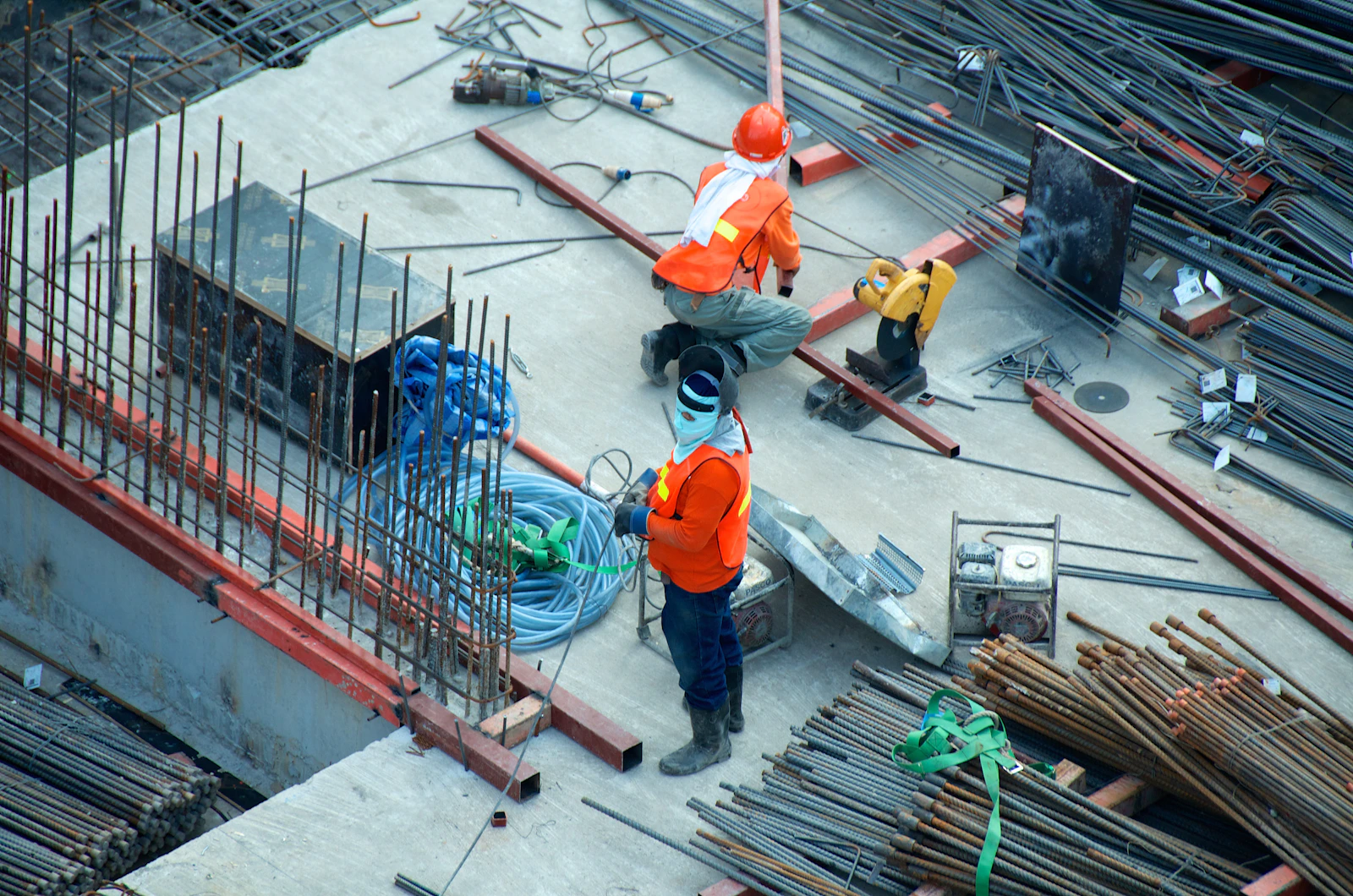
Bulk-buying only helps if it outperforms your risk and your carrying cost. Here’s a simple lens to decide.
Advance buying tilts in your favour if all three are true:
- You can store safely for 60–120 days. That means dry, covered, guarded space for cement; and raised, ventilated racks for steel. If monsoon humidity, saline breeze or site theft are real, shorten your horizon.
- PKR is weakening and mills just announced hikes. Mills typically broadcast Rs/ton changes with 24–72 hours’ notice. Two upward tweaks in the same fortnight, plus a softer PKR, is when locking the next phase’s steel makes sense.
- Your structural drawings are frozen. If your spans or bar diameters might change, you risk buying the wrong mix. With a final BBS (bar bending schedule) for foundations and the first slab, you can confidently book.
If that’s you, consider booking 100% of steel for foundations + first slab and 30–50% of cement for the next 6–8 weeks. You gain price certainty without sitting on months of perishable cement.
Staged buying is safer if any of these is true:
- Drawings are still moving. An extra column line or thicker slab can junk your early steel purchase mix.
- Storage is weak. Damp floors, leaky tarpaulins, no pallets—cement will go stale and cost you more in poor concrete later.
- Cash works harder elsewhere. Keeping liquidity for contractor milestones, labour peaks, formwork cycles and MEP rough‑ins often prevents site slowdowns that cost more than a small material hike.
In this case, buy per phase: foundations, then each slab, then masonry/plaster. Hedge by rate‑locking with suppliers for 10–30 days against a small advance and written terms. Many reputable dealers will keep a cement or steel rate on file for time‑bound call‑offs.
Run a quick breakeven before you rush:
- Steel: a Rs 15,000/ton hike on 8 tons costs Rs 120,000.
- Cement: a Rs 50/bag move on 1,000 bags is Rs 50,000.
Now weigh that against your storage and financing cost. For example, if guarding/space costs Rs 25,000–40,000/month, moisture spoilage risks 2–4% cement loss (another Rs 20,000–60,000 on 1,000 bags), and you’re forgoing bank returns or paying markup on cash, the “save Rs 50/bag” story may evaporate. If you need short‑term liquidity planning while you build, explore options under Home financing to map your cash runway and avoid starving the site.
- Home financing: /mortgages
Storage that actually works (and what ruins materials)
I’ve seen perfectly good cement turn to expensive fertilizer in a week of seepage, and straight 12‑metre bars become pretzels after being dumped on bricks. If you bulk buy, storage is the project.
Cement done right:
- Dry, ventilated, raised. Keep stacks on pallets or timber slats 150–200 mm off the floor and at least 200 mm clear of walls. Cover with plastic or tarpaulin, but allow some air circulation to avoid trapped humidity.
- Stack height and rotation. Stack a maximum of 10 bags high to reduce lumping. Mark delivery dates, and enforce FIFO—first in, first out.
- Use window. Aim to use within 60–90 days for full strength. In humid/coastal zones (Karachi seafront, Gawadar belts), be conservative—30–60 days—and inspect bags weekly for caking.
Red flags: corners going hard, bags feeling lumpy, or a damp smell. Don’t push compromised cement into structural concrete; divert only minimal quantities to non‑structural mortar after re‑sieving, or better, avoid entirely.
Steel without regrets:
- Raised, straight, shaded. Store 12 m (40 ft) lengths on timber skids or concrete blocks, off the ground. Lay under sheets or a shed with airflow; baking in sun + sudden rain = flash rust.
- Rust reality. Light, uniform surface rust? Wire‑brush and it’s fine. Pitting or caked rust that leaves deep marks when scraped means reject or cut back—bond and section are compromised.
- Don’t pre‑cut weeks early. Bars bend, lengths go missing, and your wastage rockets. Cut and bend per slab pour sequence, off the BBS signed by your structural engineer.
Security and site realities:
- A 500‑bag cement stack needs ~120–140 sq ft clear, dry, lockable space with pallets and a working aisle.
- 8–10 tons of steel needs ~250–350 sq ft of flat, secure, accessible yard space with skids.
- Budget a basic guard + lighting. Quiet pilferage—3–5 bags a week or a bar off every bundle—will erase any Rs 10–20/bag or Rs 5,000–10,000/ton saving you thought you’d made. Keep a daily material register and weigh random bundles at delivery.
If you’re unsure of area math, the Property tools hub has calculators that make this planning easier before you commit funds.
- Property tools hub: /tools
Smarter ways to bulk buy: bookings, mixes, and paperwork
You don’t have to dump a truck at site to get price certainty. Use the industry’s own tools.
Supplier bookings:
- Many steel and cement dealers will lock a rate for 15–45 days against a 10–25% advance, with scheduled call‑offs as your site reaches each phase.
- Get the deal in writing: validity period, delivery windows, sizes/grades (e.g., 10/12/16/20/25 mm Grade‑60), mill/brand options, who bears escalation or force‑majeure if mills change prices or deliveries slip.
- Clarify transport, offloading and weighbridge procedures in the same note.
Mix your approach:
- At kickoff, book full steel for foundations + first slab, but only 30–40% of cement you’ll need this quarter. For a 10 marla, that’s typically 4–6 tons of steel and 400–600 bags of cement to start.
- Refill per slab. The timeline of steel is lumpy (footings, slab, roof), cement is steady (masonry, plaster, screeds). That’s why cement is better staged unless you truly expect a spike.
Paperwork that protects you:
- Tax invoice with STRN (Sales Tax Registration Number) in your or your contractor’s name. This helps in record‑keeping and any warranty issues.
- Mill test certificates (MTCs) for each rebar heat/batch, with visible roll marks on bars matching the mill listed.
- Delivery challans that match quantities, diameters, and grades actually received, signed by your site engineer or supervisor.
- Weighbridge slips for bulk steel—note incoming truck weight, and don’t accept “verbal kilos.”
Pay by crossed cheque or online transfer to the dealer’s registered account. Avoid full cash advances to unknown intermediaries and steer clear of prices that look too good—someone else down the chain will pay for that “discount.”
Common traps in Pakistan builds—and how to avoid them
Cement going stale:
- Moisture is the enemy. Bags hard at corners or lumpy inside mean hydration has started. Don’t use for structural concrete. Even in mortar, you’ll chase strength and workability with more water and end up with cracks. The right answer is better storage and smart staging.
Fake or off‑spec rebar:
- Insist on major‑mill Grade‑60 with clear roll marks. Random bar lengths, excessive weight variation, or under‑diameter bars are red flags.
- Do a quick weight sanity check during delivery. Approximate theoretical masses: 12 mm ≈ 0.89 kg/m, 16 mm ≈ 1.58 kg/m, 20 mm ≈ 2.47 kg/m. A 12 m length of 16 mm should be around 19 kg. If it’s several kilos light, something is off—reject and escalate. A small digital scale and tape measure have saved clients of ours lakhs over a project.
Overbuying without drawings:
- Freezing the bar bending schedule (BBS) before each order prevents you from buying the wrong diameters or lengths. I’ve watched builds lose 10–15% to cutting wastage because a slab thickened, or a beam got deeper after steel was already at site.
- Align the contractor’s take‑off with your structural engineer’s quantities. Differences happen; catch them on paper, not on delivery day.
Short pours and site delays:
- Booking material without aligning it to shuttering cycles and labour availability invites waste. A half‑day delay in pumping concrete to a slab because the crew is short can cost more in overtime, cold joints and rejected batches than you saved on a cheap cement run.
If you’re evaluating multiple plots and want to understand how soil type or location may change your structure (and thus your material plan), explore local details via Browse areas and verify ground conditions before you lock quantities.
- Browse areas: /areas
City‑by‑city realities and timing your buys in Oct 2026
Not all cities price materials the same, and the timing of your purchase matters as much as the headline rate.
Price dispersion (as of Oct 2026; verify in your city before paying):
- Karachi often runs Rs 5,000–10,000/ton lower on rebar due to port proximity and mill mix; Lahore/Islamabad can be higher. The spread changes with freight and mill promotions.
- Cement varies Rs 30–80/bag across cities, driven by freight, brand and dealer competition.
Timing tactics:
- Watch mill circulars. Rebar hikes are often telegraphed with 24–72 hours’ notice. If you see two consecutive hikes and the PKR slid this month, buy at least the next phase’s steel immediately and book the following phase with a dated rate‑lock.
- Cement tracks fuel and demand. Dealers in some cities quietly adjust over weekends when dispatches thin. If your pour is mid‑week, order earlier and fix the rate in writing when you place it.
Transport will make or break your “deal”:
- Moving 8 tons of steel or 800+ bags of cement inter‑city can erase savings. Always compute doorstep cost: material + freight + unloading + pilferage risk.
- Plan crane or extra labour for offloading bundles safely. A bent lot of 12 m bars because the truck reversed into a pile is no bargain.
If you’re building to sell or refinancing after completion, keep one eye on broader property trends. Our Property price index gives you a sense of where values are heading area by area, which can guide how aggressively you tie up cash in materials versus keeping optionality.
- Property price index: /price-index
What to do this week if you’re building in Oct 2026
Here’s a clean, seven‑step plan to act without second‑guessing yourself.
- Freeze drawings for the next 60–90 days. Get your structural engineer to sign off the grid, slab thicknesses and a BBS for foundations + the first slab. No frozen drawings = no bulk buy.
- Map quantities per phase. For 5 or 10 marla, list cement and steel per footing, plinth, slab, and plaster. Sense‑check against the ranges above and your engineer’s quantities. If you’re still roughing out covered area, convert plot size using the Marla/kanal unit converter and run your budget through the Construction cost calculator.
- Marla/kanal unit converter: /tools/unit-converter
- Construction cost calculator: /tools/construction-cost
- Price breakeven. On paper, note your city’s steel and cement rates (as of this week), expected monthly volatility (use the Rs 15,000/ton and Rs 50/bag yardsticks), storage/guard costs, and any financing cost. If expected hikes beat carrying costs, plan to book.
- Inspect and set up storage. Build pallets, clear a dry room for cement, raise and level a yard bay for steel. Arrange nighttime lighting and a guard. Create a simple material register for daily counts and delivery weighbridge slips.
5) Get three written quotes with booking terms. Ask two reputable dealers and one mill‑affiliated yard for: - Rate validities (15–45 days), - Advance needed (10–25%), - Call‑off process and delivery windows, - Escalation/force‑majeure clauses, - Invoicing (with STRN), MTCs, and weighbridge slips.
6) Mix your purchase. If the numbers support buying: - Book 100% steel for foundations + first slab. - Buy 30–50% cement you’ll consume in the next 6–8 weeks, not the whole job. - Align deliveries with shuttering cycles. Don’t land steel before you can cut and fix; don’t land cement before a humidity spike.
- Set a rate‑watch routine. Nominate someone—your contractor, site engineer, or you—to check dealer and mill circulars every two days for the next month. If a hike is announced, trigger your pre‑agreed call‑off that day.
If you need to revisit your build plan because a material spike makes the current design uneconomical, pause and rethink layout, spans, or even project timing. The tools at our Property tools hub can help you rebalance budgets, and if delaying the build shifts you towards buying a finished home or a project unit instead, explore current New projects & developments to compare outcomes on paper before you make the next big payment.
- Property tools hub: /tools
- New projects & developments: /projects
Builds go best when cash, drawings and deliveries move in sync. If you line those up, bulk buying in Oct 2026 can protect your budget without creating new headaches. If you can’t line them up today, stage with discipline, lock short‑term rates, and keep your site dry and honest. That’s how you win this month—and still sleep at night.
Frequently asked questions
How long can I store cement before it weakens in Pakistan’s climate?
Use cement within 60–90 days if stored dry, raised 150–200 mm, and covered. In humid/coastal areas like Karachi seafront or Gwadar, keep it to 30–60 days. Stack max 10 bags high, mark dates, and use FIFO. If bags feel lumpy or corners harden, don’t use for structural concrete—divert minimal amounts to non-structural mortar only.
Is it okay to use slightly rusty rebar, or should I reject it?
Light, uniform surface rust that brushes off is acceptable—wire-brush before fixing. Reject bars with pitting or caked, flaky rust that gouges when scraped; bond and section are compromised. Store bars raised on skids, shaded with airflow. Verify size and weight on delivery; mismatched or under-diameter bars are a red flag.
Can I lock today’s cement/steel rates for 30–60 days with a supplier booking?
Yes. Many dealers lock rates for 15–45 days (sometimes 60) against a 10–25% advance and phased call‑offs. Get terms in writing: validity, delivery windows, sizes/grades, escalation/force‑majeure, transport/offloading, invoicing with STRN, MTCs, and weighbridge slips. Rate-locks work best when drawings are frozen and storage is ready.
Keep reading
Construction & RenovationAugust cement decision: cement price lock Pakistan
August cement playbook for Pakistan: realistic retail bands, when to lock vs float, bag counts for 5–10 marla, airtight clauses, and monsoon storage that prevents wastage.
16 Aug 2026 9 min read
Construction & RenovationSmart escalation clauses to cap cement/rebar shocks
Practical escalation clause for Pakistan: SPI-linked baseline, clean formula, caps/bands, and monsoon storage tips to tame cement/rebar shocks.
31 Jul 2026 9 min read
Construction & RenovationShould you build during monsoon in Pakistan (2026)?
Monsoon build in Pakistan, 2026: real delays, cost cushions, safe RCC pours, curing days, and smart steel/cement buying—Lahore, Islamabad, Karachi specifics.
30 Jul 2026 9 min read