
Brick vs block Pakistan: switch now or stay put?

October spike: what changed and why Q4 builds are rethinking walls
If your mason just paused the brick order and asked “blocks kara dein?” you’re not alone. October’s price bump has pushed many Lahore–Faisalabad–Multan and Karachi–Hyderabad sites to recheck wall specs before locking BOQs.
Live site quotes as of October (Punjab/Sindh corridors) are coming in at: A‑grade brick Rs 28–35 per unit (Rs 28,000–35,000 per 1,000); cement Rs 1,350–1,600 per 50‑kg bag; Ravi/Chenab sand Rs 130–200 per cft; 3/8" crush Rs 180–230 per cft. Confirm your city’s going rate the week you buy; even within Lahore, Shahdara versus Raiwind can differ enough to dent a weekly budget.
Concrete block yard rates we’re seeing ex‑yard: 6" hollow (8x8x16") Rs 140–190; 6" solid (8x8x16") Rs 180–240; AAC (4x8x24") Rs 240–340. Delivery inside city limits is usually Rs 3–8 per piece depending on drop size and off‑loading.
Why it matters this month: brickwork soaks up cement through mortar and plaster. When cement jumps, your wall cost jumps with it. Switching to concrete blocks — especially AAC with thin‑bed adhesive — can cut binder consumption by 35–60% per square foot of wall, which is the single biggest lever in a cement‑spike month. I’ve watched a 10‑marla build in Johar Town shave off two full truckloads of cement by moving internal partitions to AAC while keeping brick at the boundary and wet areas.
If you’re recalculating quantities, our Marla/kanal unit converter and Construction cost calculator help sanity‑check the whole envelope before you place orders. For developers revisiting specs across towers and villas, keep an eye on launch economics under New projects & developments.
Cost check by 100 sq ft of wall: brick vs block Pakistan
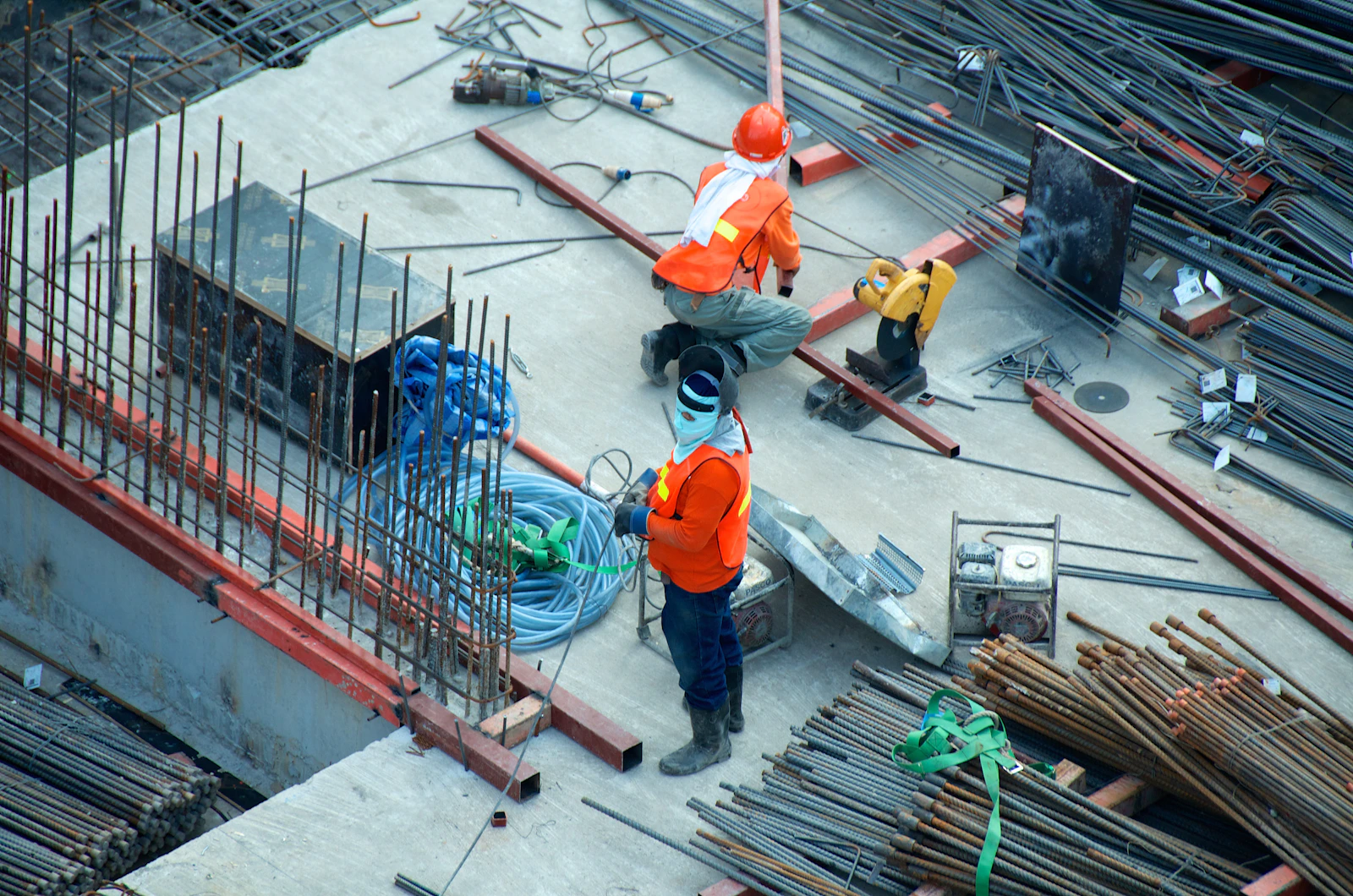
Let’s level the field and price 100 sq ft of typical wall (labour plus materials). Rates below reflect live October buys. Adjust for your site’s actual purchase orders and productivity.
9" brick wall (230 mm), 100 sq ft: - Quantity: roughly 900–950 bricks plus 13–16 cft mortar. - Materials: bricks Rs 25,000–33,000; cement for mortar 4–5 bags (1:4–1:5 mix) Rs 5,400–8,000; sand Rs 2,000–3,200; water/misc ~Rs 500. - Labour: Rs 7,000–11,000 (crew productivity 18–25 sq ft per mason‑day on standard courses). - Total: Rs 39,000–55,000 per 100 sq ft.
6" hollow concrete block wall (150–200 mm), 100 sq ft: - Quantity: ~110–115 blocks (8x8x16"). - Materials: blocks Rs 15,000–22,000; mortar ~7–9 cft (1:5–1:6) cement 2–3 bags Rs 2,700–4,800; sand Rs 1,200–1,800; vertical rebar + grout at jambs/corners Rs 1,000–2,500. - Labour: Rs 5,000–8,000 (35–50 sq ft per mason‑day). - Total: Rs 25,000–39,000.
AAC block wall 6" (150 mm, 4x8x24"), 100 sq ft: - Quantity: ~75 blocks. - Materials: blocks Rs 18,000–26,000; thin‑bed adhesive 1.5–2 bags (20–25 kg each) Rs 2,000–4,000; anchor inserts Rs 500–1,000. No conventional mortar between courses. - Labour: Rs 4,000–6,000 (60–80 sq ft per mason‑day with trained crew). - Total: Rs 24,500–37,000. Note: add a skim coat/gypsum finish where specified by your architect.
A few clarifiers that move the numbers: - Corner cutting that backfires: hollow block without grouted cores at corners and openings is quick but weak; AAC laid in sand‑cement (instead of adhesive) kills the strength and thermal benefits and eats your cement savings. I’ve seen adhesive swapped for “thoda sa 1:6,” and the wall telegraphed cracks within months. - Lintels: oversized brick lintels are common; blocks behave better with RC lintels or precast beams aligned to unit lengths. Update the lintel schedule if you switch. - Scaffolding and lifting: not included above. On double‑height walls, add labour for staging.
Finishes caveat. Poorly made blocks come wavy and out of plumb, forcing heavy plaster to straighten faces. That can add Rs 60–120 per sq ft over what you’d spend on AAC or good concrete block. Prevent this: demand a sample wall, run a 2 m straightedge, and refuse anything over 5 mm deviation. If you need the technicals in one place while revising BOQs, the Property tools hub is a handy bookmark.
Speed, wastage and site logistics: where time is saved
Speed is the invisible cost. On a 5‑marla house (roughly 2,000–2,200 sq ft covered area), masonry alone can set your cashflow pace.
Typical crew productivity: - 9" brick: 18–25 sq ft per mason‑day on normal runs; slows on cutwork and bonds. - 6" hollow/solid block: 35–50 sq ft per mason‑day with proper staging. - AAC with thin‑bed adhesive: 60–80 sq ft per mason‑day for trained masons.
That delta trims 7–12 working days off a 5‑marla’s masonry window if you switch from 9" brick to 6" block or AAC across internal walls. It also eases congestion: fewer trips carrying units, fewer batches of mortar, faster close‑in for MEP.
Wastage and handling: - Brick wastage sits ~5–8% on live sites. - Block breakage 3–6% if off‑loaded on pallets and not tipped off a mazda. The mistake I still see: stacking hollow blocks on damp soil, then loading early — corners chip and cells crack. - AAC must stay dry before laying. Keep it off the ground and under cover; adhesive bond relies on a dust‑free, dry surface.
Curing and water: - Brickwork drinks water, especially on hot, dry days. Blocks and AAC ask for lighter curing. On sites running tanker water — Rs 2,000–5,000 per 1,000 gallons on Karachi and Lahore fringes — lower curing can shave Rs 10,000–25,000 over the superstructure phase. Also easier for neighbours in tight streets.
Structure and compliance: what you can change mid‑design without risk
Approvals: LDA, CDA, SBCA, DHA and similar bodies are largely agnostic to the unit type. They care about wall thicknesses, setbacks, fire/safety provisions and structural integrity. If you keep thicknesses and loads in line with stamped drawings, you usually avoid re‑submission. Still, clear it with your architect/structural engineer and the society’s control office before ordering truckloads.
Structural checks before switching: - Lintels and bond beams must match the new unit module. Running 24" AAC units under a 6 ft opening? Recalculate the bearing and lintel depth, don’t reuse a brick lintel detail blindly. - Hollow concrete blocks need vertical bars and grouted cells at corners, wall ends and around openings. Place bars at 1.2–1.5 m centres on long runs. - Out‑of‑plane slenderness: a 6" wall behaves differently from a 9" wall. In seismic Zones 2–4 (KP, Islamabad belt, Quetta), confirm wall ties, ring beams and spacing per your engineer’s schedule. Lighter AAC reduces dead load — good for seismic — but never skip ties to RC members. - Ring beams: cast at lintel level and top of walls to lock the diaphragm, especially where joists or trusses bear on masonry.
Fixings and services: - Hanging loads (kitchen cabinets, geysers, TV brackets): plan inserts or use solid infill pockets where anchors will go. AAC and hollow blocks won’t hold heavy expansion bolts without proper sleeves/inserts. - Chases: limit depth in AAC/hollow block. Push conduits into bed joints where possible or use surface conduits under a skim. For heavier services, set sleeves as you build courses. - Fire and sound: at equal thickness, AAC typically offers higher fire resistance and better STC than hollow concrete block. For stair/lift cores and refuge areas, many engineers still prefer solid masonry or RC walls for robustness — align with your fire strategy.
If your plot geometry or setbacks are still fluid, confirm buildable widths in your block thickness on Plot Finder and talk through any ring beam height impacts early. For context on area norms and construction patterns around your site, you can also browse areas.
When the switch pays—and when to stay with brick
Good candidates for a switch: - Tight Q4 timelines where every lost week rolls into winter rains. - Sites relying on tanker water; lighter curing is a quiet saver. - Cement above Rs 1,400/bag and brick above Rs 30/pc — the cement+plaster delta tilts toward blocks. - Large wall areas such as apartment shells and boundary walls, where speed and mortar savings compound. - Upper floors where dead load matters: AAC ~550–650 kg/m³ versus brickwork roughly ~1,800 kg/m³. That weight cut travels through slabs and beams.
Hold or think twice: - Bespoke arches, rounded features and very thin partitions needing frequent chasing. Brick is still the sculptor’s medium on many Pakistani sites. - Sites with weak QA. Off‑spec blocks (understrength, high water absorption, poor geometry) will eat savings in plaster and rework. - Extreme impact zones — parking ramps, guard rooms, low boundary walls that take daily hits — unless you spec solid units and robust detailing. - If your contractor plans to lay AAC in sand‑cement “to save on adhesive,” don’t switch. You’ll pay for it in cracks and lost performance.
Climate/location nuance: - Karachi’s humidity and salt: use dense, quality concrete blocks and ensure proper cover to any embedded steel; finish with dense plaster or cementitious coatings. Keep joints tight; salt finds voids. - Lahore/Islamabad winters: AAC’s thermal mass and insulation reduce heat loss. In a properly insulated envelope (and sealed windows), you can trim HVAC tonnage slightly. It’s not a silver bullet, but it helps with both comfort and bills.
If rising input costs are forcing bigger design or finance choices, park numbers in our Mortgage calculator and revisit the full budget with the Construction cost calculator. For builders weighing project specs across multiple plots, keep an eye on launches and benchmarks via New projects & developments.
How to execute a mid‑design change in 7–10 days
A mid‑build switch is doable inside two weeks if you drive it like a mini‑project. Here’s a simple, tested sequence.
Day 1–2: Engineer review - Freeze wall thicknesses equal to or acceptable against the original design. If moving from 9" brick to 6" block internally, confirm slenderness and tie spacing. - Issue a one‑page addendum covering: unit size and type; mortar or adhesive specification; bond beams at each floor/top of walls; vertical bars at 1.2–1.5 m c/c and at jambs; starter bars from RC members; ring beam dimensions and reinforcement. - Update the lintel schedule, DPC details, and any diaphragm tie notes. Where AAC is adopted, specify thin‑bed adhesive thickness 3–5 mm and prohibit sand‑cement between courses.
Day 3–5: Vendor and QA - Source 2–3 block/AAC yards. Ask for recent cube/crush test slips: target hollow block >7.5 MPa, solid block >10 MPa, AAC per supplier’s density class and compressive strength. Refuse glossy brochures without test evidence. - Insist on a 6 ft x 6 ft sample wall at site. Check plumb, joint thickness, arrises and openings. Run a 2 m straightedge; accept only if deviation is <5 mm. Confirm bond pattern matches specs. - Confirm moisture absorption and dimension tolerance. Weigh a few random blocks; wildly light or porous units flag a bad mix. - Lock logistics: pallets, forklift or manual off‑load, tarpaulins for AAC, and a no‑tipping rule for hollow blocks.
Day 6–10: Site method - Switch to 1:5–1:6 mortar for concrete blocks unless your engineer specifies otherwise. Keep joints 10–12 mm; rake for plaster key. - For AAC, use manufacturer‑recommended thin‑bed adhesive 3–5 mm, applied with a notched trowel. Do not “butter” with rich cement paste. - Provide stainless or galvanized ties every 2–3 courses into adjacent columns or RC walls. Install starter bars at wall‑column junctions; grout all reinforced cells at corners and jambs. - Cast a continuous ring beam at lintel level and at the top course as detailed. Keep rebar covers honest; it’s where contractors quietly shave steel and shutter thickness. - Services: pre‑plan chases and sleeves. For AAC, set electrical boxes with approved pocketing method and restore with compatible repair mortar. - QA the first two rooms thoroughly before the crew scales up. Check course levels, joint thickness and opening sizes so that doors/windows don’t need chiselling later. - Update the BOQ and your labour contract rates (blocklaying and AAC laying are different line items). Pay for quality — it’s cheaper than fixing a crooked wall.
If you’re juggling plot size, FAR and wall thickness to make a plan work, lean on Plot Finder for exact dimensions and cross‑check buildable area assumptions with your architect. To keep the wider budget in view as materials move, keep the Construction cost calculator and Property tools hub open alongside your site diary.
Frequently asked questions
Is block masonry approved by LDA/CDA/SBCA or DHA, or do I need to re-submit drawings?
Authorities like LDA, CDA, SBCA and DHA are generally agnostic to brick vs block. If wall thicknesses, loads and structural details match the stamped drawings, re‑submission is usually not required. Still, have your architect/engineer issue a brief addendum for unit type, lintels, bond/ring beams and ties, and clear it with the society’s control office before ordering.
Does AAC block actually cut my electricity bill in Lahore/Islamabad winters or Karachi summers?
AAC has lower density and better insulation than brick or hollow block, reducing heat loss in Lahore/Islamabad winters and heat gain in Karachi summers. In a well‑detailed envelope (tight windows, proper shading), it can modestly trim HVAC runtime and improve comfort. It’s not a silver bullet; savings depend on orientation, glazing, air‑sealing and HVAC sizing.
Can I mix: brick outside for looks and block/AAC inside for speed? Any issues with bonding and plaster?
Yes—many projects use brick on façades and AAC/concrete block for internal walls. Provide stainless/galvanized ties where materials meet, cast ring/bond beams, and keep joint specs consistent. AAC should be laid with thin‑bed adhesive, not sand‑cement. Use compatible plaster/skim; check walls with a 2 m straightedge and keep deviation under 5 mm to avoid heavy corrective plaster.
Keep reading
Construction & RenovationConstruction Fuel Surcharge Clause Pakistan: Template
Practical diesel surcharge clause for Pakistan sites: OGRA peg, clean formulas, per-trip caps, and proofs—so you pay for haulage only, not twice.
29 Aug 2026 11 min read
Construction & RenovationShould you do roof slab casting in October in Pakistan?
Is October a good month for roof casting in Pakistan? Get ideal temps, dry-window, realistic PKR costs, quantities, crew plan, curing schedule, and rain backup.
21 Sept 2026 10 min read
Construction & RenovationGrade‑60 vs Grade‑40 rebar in Pakistan: upgrade or save?
Real PKR numbers, city-wise context, and on-site rules to choose Grade‑60 or Grade‑40 in Pakistan—plus where redesign actually saves steel.
21 Aug 2026 9 min read