
Apartment maintenance charges in Pakistan: tenant or owner?

Your landlord says the rent for the third-floor flat is PKR 55,000, and then adds, "maintenance is separate, pay it to the society office." Two months later the office sends a bill for PKR 6,500 plus a one-off charge you have never heard of. Who pays these apartment maintenance charges, and how do you stop it from turning into a fight over your deposit?
What the monthly maintenance bill usually covers
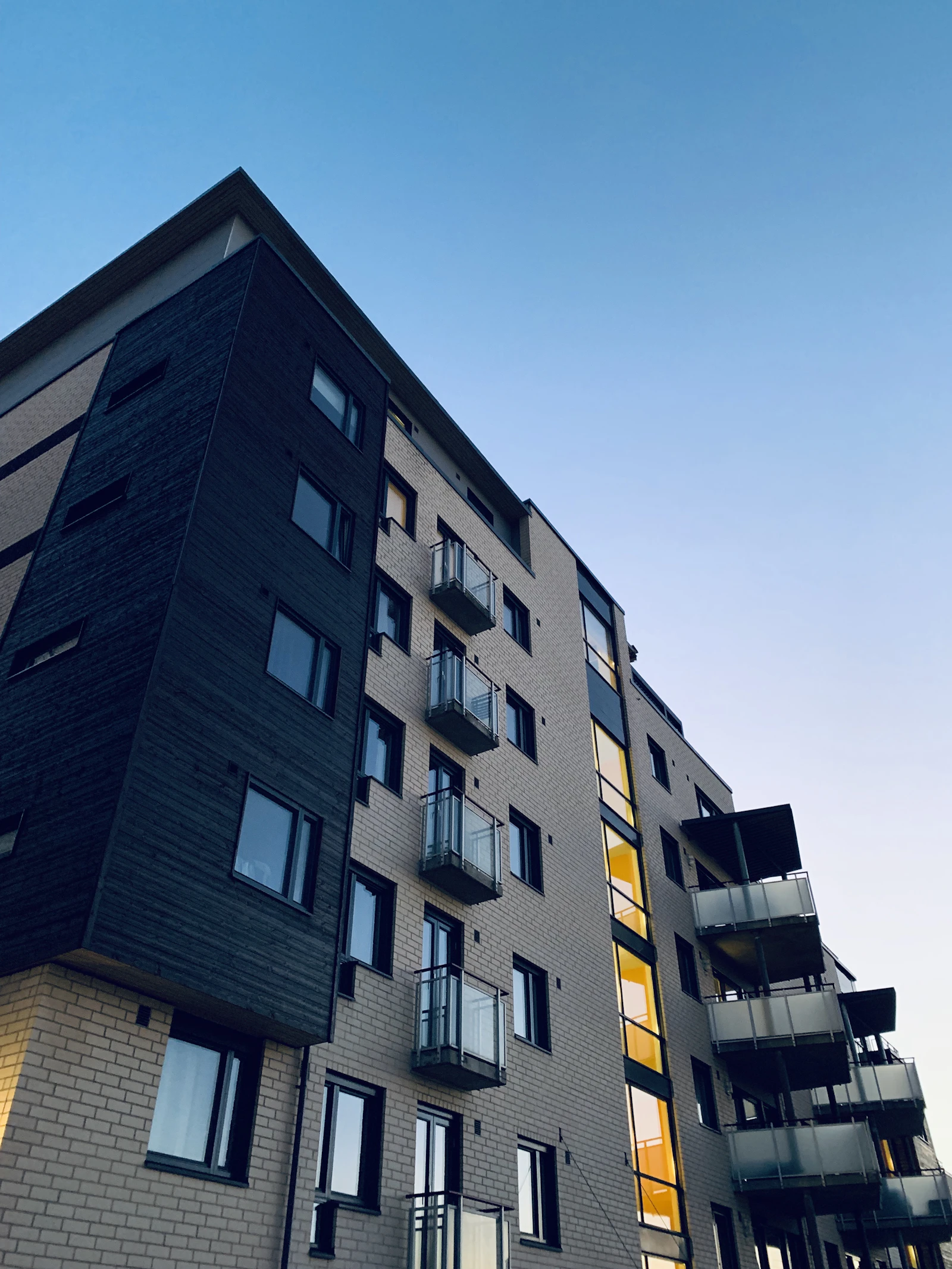
In apartment buildings and gated complexes in Lahore, Karachi, Islamabad and Rawalpindi, a maintenance charge is collected by the building association or management company. It generally pays for common electricity (stairwell, lift, boundary lights), security guards, lift servicing, generator fuel, water tanker or booster pump costs, sweeping and garbage removal, and small repairs to shared areas.
The amount depends on the size of the unit, whether there is a lift or a generator, how many guards the building keeps and how well the association collects dues. A modest low-rise block with no lift might charge a few thousand rupees a month; a high-rise with lifts, standby power and 24-hour security can charge a good deal more. Ask the association for its current schedule rather than relying on the landlord's memory.
The default rule, and why you should not rely on it
There is no single rule that every tenancy follows. In practice, most landlords expect the tenant to pay routine monthly maintenance because the tenant uses the services, while the owner pays for anything that improves or repairs the building itself: a new lift motor, a roof repair, repainting the whole exterior or a special levy for a one-off project.
That split is a custom, not a guarantee. Some landlords quote "all-inclusive rent" and absorb maintenance themselves. Others pass on everything. The only version that protects you is the one in your rental agreement. Before you sign, make the agreement answer four things:
- Is monthly maintenance included in the rent, or paid by the tenant separately?
- If separate, what is the current amount, and who pays if it rises during the tenancy?
- Who pays one-off or special charges, such as a lift replacement fund or boundary wall repair?
- Who pays old arrears if the flat had unpaid dues before you moved in?
Ask for the society's account statement first
The cleanest protection is a no-dues statement for the flat. Ask the landlord to get one from the association before you move in, showing the maintenance paid up to the current month. If the previous tenant left unpaid bills, the association may chase whoever occupies the flat, and it will not matter to them that the debt predates you.
Associations in many buildings hold back gate passes, parking stickers or even lift access until dues are cleared. If the owner left three months unpaid and you pay first to get your car in, you then have to chase an adjustment from the landlord. Avoid that by clearing it up before the keys change hands.
Special charges are where disputes begin
A recurring monthly fee is predictable. A special charge is not. These are the usual ones:
- Lift motor or cable replacement
- Generator or solar upgrade for common areas
- Repainting the building or repairing seepage on the façade
- New water tank or pump
- Legal costs for a building dispute
As a rule of thumb, ask whether the spend improves the building's value for the owner or just keeps daily services running. A new boundary wall adds permanent value, so it ought to fall on the owner. A guard salary hike for the year is an operating cost, and the tenant often absorbs it. If you are in a tenancy of only one year, push back on any large special levy announced during your term. Agree in writing that the owner covers it, or that your share is limited to the months you actually live there.
Utilities are separate, and they interact with maintenance
Maintenance is not your electricity, gas or water bill. Those typically run on separate meters and are paid directly. Disputes arise when the building uses a common meter for a lift or water pump and splits the cost inside the maintenance bill. Ask whether your flat has its own meter and which bills the maintenance covers. Write the meter arrangement into the agreement too, with the opening reading noted on move-in day, so there is nothing to argue about when the deposit is returned.
How it changes the true cost of renting
Always compare listings on the total monthly cost. A flat at PKR 50,000 with PKR 8,000 maintenance costs the same as a PKR 58,000 flat with maintenance included, but the second is easier to budget because the charge cannot jump mid-year. If you are shortlisting, filter properties for rent by area and then call each listing to ask what maintenance covers. A cheaper flat can be dearer once the extras are added.
For landlords, this also affects how you advertise. Mentioning the monthly maintenance figure upfront and whether it is included in rent attracts better-matched tenants and cuts disputes. If you are working out whether a flat earns its keep after these charges, the rental yield calculator lets you subtract maintenance from gross rent and see your net figure.
What to do if the association raises the charge mid-tenancy
Associations revise charges, usually after a general meeting of owners. As a tenant you rarely get a vote, so the agreement is your only voice. If the rise is modest and in line with what the building offers, paying it is reasonable. If it jumps sharply, ask for the meeting minutes or the notice that approved it. A legitimate increase has a paper trail. A verbal demand from a guard or a collector does not.
If you and the landlord disagree, a practical compromise is to split the increase until the end of the lease and renegotiate at renewal. It keeps the relationship intact, and a tenant who pays on time and raises issues politely is worth more to most landlords than a few thousand rupees.
Keep a paper trail
Whatever the arrangement, a few habits will save you money and stress:
- Pay maintenance by bank transfer or against a stamped receipt, never by hand to a guard.
- Keep photos of each receipt and note the month it covers.
- Save any notice from the association about increases or special levies.
- If you pay a special charge that you think belongs to the owner, tell the landlord in writing right away, and ask for an adjustment against the next month's rent.
There is a zero-rupee step that pays back more than most: introduce yourself to the building manager or association secretary in your first week. Ask when bills go out, how complaints are handled and what the building plans to spend on in the coming year. Managers rarely volunteer a lift replacement fund until it is announced, but they will often mention it if you ask politely.
Before you sign the agreement
Before you hand over a deposit, ask the landlord for three things: the association's current monthly charge, the latest no-dues statement and a written confirmation of who pays special levies. Add a clause that says any increase in monthly maintenance beyond a stated amount will be discussed in writing before it takes effect. If the landlord is happy to agree, you have a clean tenancy. If they hesitate on all three, treat that as a signal and keep looking. There is always another flat, and a clear agreement is worth more than a few thousand rupees in monthly savings.
Frequently asked questions
Does the tenant or the owner pay apartment maintenance in Pakistan?
Custom usually has the tenant pay routine monthly maintenance because they use the services, while the owner pays for building improvements and big one-off repairs. This is not a legal guarantee, so your rental agreement should state who pays monthly charges, increases and special levies.
What is a special levy in an apartment building?
A special levy is a one-off charge raised by the building association for a large project, such as replacing a lift motor, repainting the exterior or repairing a boundary wall. Because these add lasting value to the building, owners should normally bear them. Get that agreed in writing before you sign.
How do I avoid paying the previous tenant's maintenance dues?
Before moving in, ask the landlord for a no-dues statement from the building association showing maintenance paid up to the current month. Add a clause making the owner responsible for any arrears from before your tenancy, and pay all later bills by bank transfer against receipts.
Keep reading
RentingWinter rental checklist in Pakistan: gas, geyser, damp
A flat that feels perfect at 2 pm can be miserable in January. Here is a 30-minute viewing routine for gas, geyser, damp and drafts.
17 Nov 2026 6 min read
RentingTenant police verification in Pakistan: what to file and when
Renting a house? Here is the paperwork sequence landlords and tenants should finish before the first night, and what to keep on file afterwards.
11 Nov 2026 6 min read
RentingRent increase negotiation Pakistan 2026: accept 10% or extend?
Should you accept a 10% hike or push a CPI-capped 6–9 month extension in Aug–Sep 2026? Get PKR math, comps tactic, and a one-page addendum plan.
10 Aug 2026 10 min read